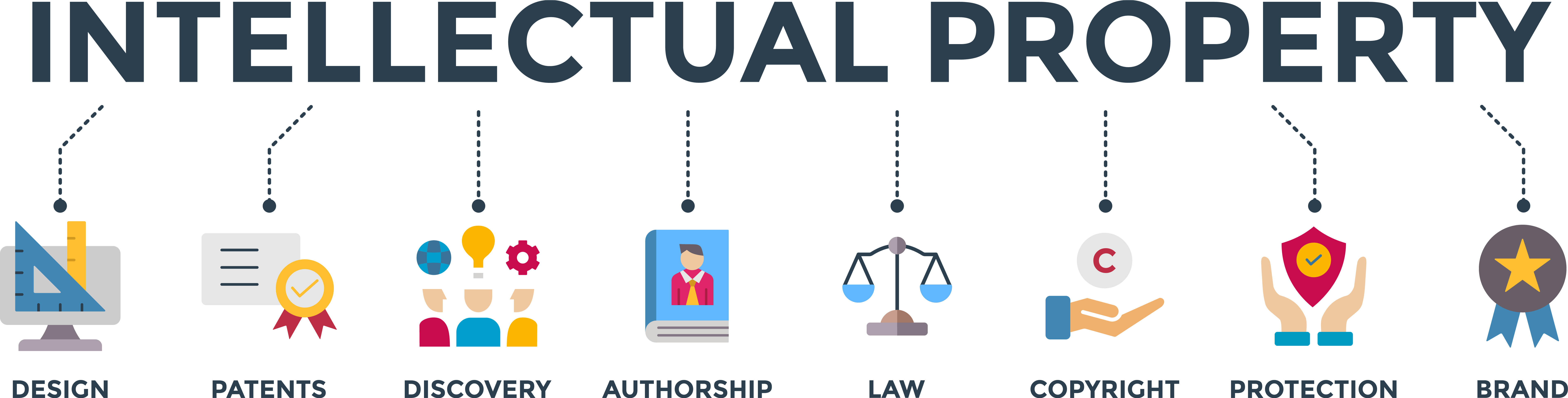
In today’s competitive business landscape, ideas, innovations, and creative works are among a company’s most valuable assets. Protecting these assets through Intellectual Property (IP) Rights is not just a legal formality—it’s a strategic move that can safeguard your business, enhance its value, and prevent competitors from exploiting your hard work.
What Are Intellectual Property Rights?
Intellectual Property Rights (IPR) are legal protections granted to individuals or businesses for creations of the mind. They ensure that the creator or owner has the exclusive right to use, sell, or license their creation. For businesses, IP can include inventions, brand names, logos, designs, software, trade secrets, and more.
The main types of IP that businesses should be aware of include:
- Patents – Protect inventions or processes that offer a new way of doing something or a technical solution to a problem.
- Trademarks – Protect brand names, logos, slogans, or symbols that distinguish your products or services.
- Copyrights – Protect original works of authorship, such as books, software, marketing content, or music.
- Trade Secrets – Protect confidential business information, formulas, practices, or strategies that give your business a competitive edge.
- Industrial Designs – Protect the aesthetic design or appearance of products.
Why IP Matters for Businesses
Competitive Advantage – IP ensures your unique products or ideas cannot be copied by competitors, helping you maintain market share.
Revenue Generation – IP can be licensed, franchised, or sold, creating additional revenue streams.
Brand Recognition – Trademarks and copyrights build trust and credibility with customers.
Legal Protection – Registered IP provides legal backing to prevent unauthorized use or infringement.
Attracting Investment – Investors often consider a business’s IP portfolio as a key factor in its valuation.
How to Protect Your Intellectual Property
Identify Your IP Assets – Conduct an audit to determine what in your business qualifies as intellectual property.
Register Where Necessary – Patents, trademarks, and industrial designs require registration with relevant authorities.
Maintain Confidentiality – Use non-disclosure agreements (NDAs) to protect trade secrets and sensitive business information.
Monitor and Enforce – Regularly monitor the market for infringement and be ready to enforce your rights legally if needed.
Educate Your Team – Ensure employees understand the importance of IP and comply with company policies regarding its use.
Common Challenges Businesses Face
- Infringement – Competitors may attempt to copy or misuse your IP.
- Global Protection – IP laws vary by country, making international protection complex.
- Cost of Registration – Patents and trademarks may involve significant fees and legal processes.
- Keeping Trade Secrets Safe – Unauthorized disclosure by employees or partners can be damaging.
Final Thoughts
For businesses, Intellectual Property Rights are more than legal paperwork—they are essential tools for growth, innovation, and market protection. By understanding your IP assets, registering them appropriately, and enforcing your rights, you can safeguard your business’s most valuable creations and ensure long-term success.
In a world driven by ideas and innovation, protecting your intellectual property isn’t optional—it’s a necessity.