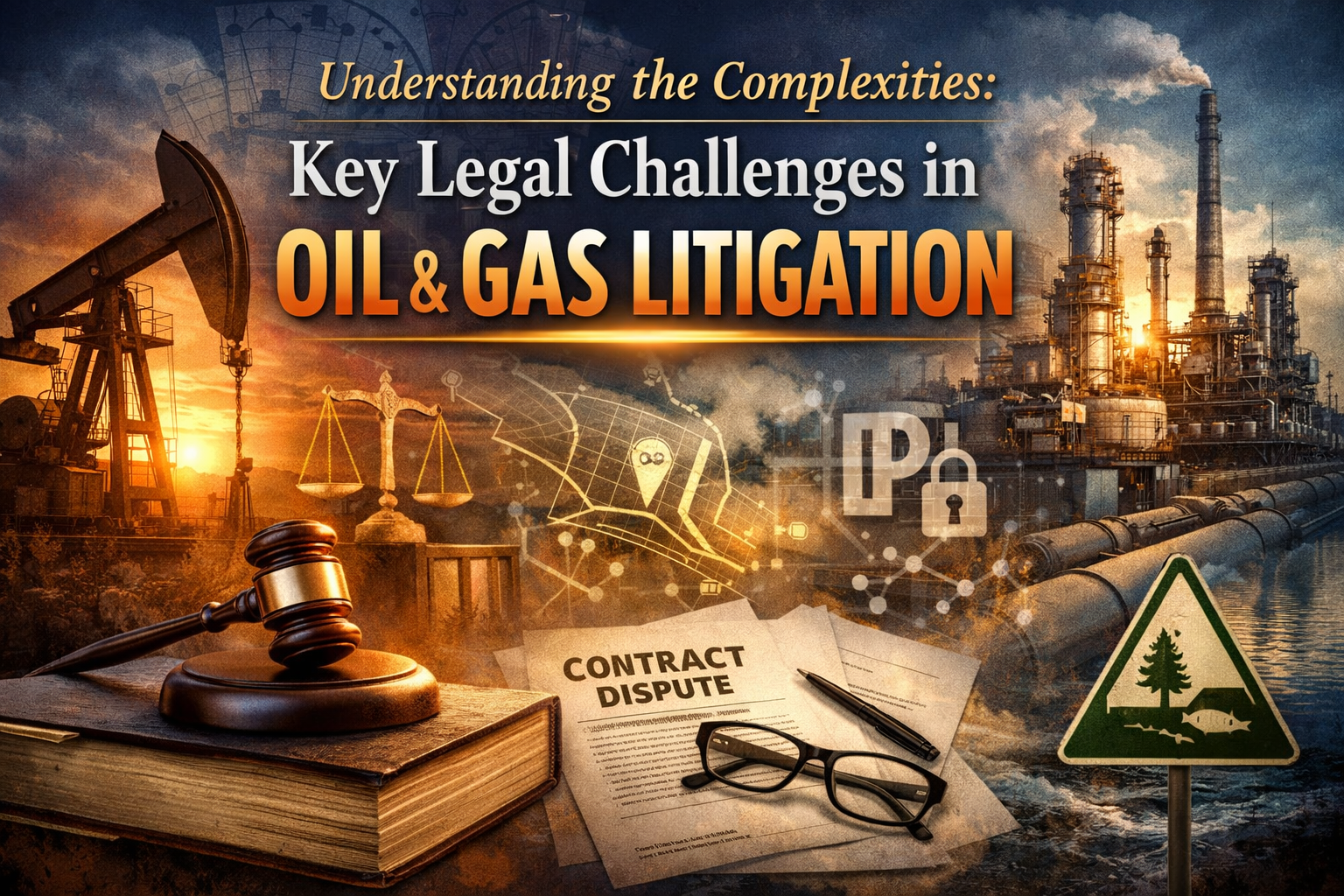
Oil and gas litigation is a complex area of law that presents unique challenges for both plaintiffs and defendants. From disputes over land rights to environmental regulations, there are a wide range of legal issues that can arise in the oil and gas industry. In this blog post, we will explore some of the key legal challenges that can arise in oil and gas litigation and provide some guidance on how to navigate these complexities.
Land Rights and Property Disputes
One of the most common legal challenges in oil and gas litigation is disputes over land rights and property ownership. Oil and gas companies often need access to land in order to extract resources, which can lead to conflicts with landowners who may feel that their property rights are being infringed upon. These disputes can be highly contentious and can involve complex legal issues related to property law, contract law, and environmental regulations.
In order to navigate these challenges, it is important for both parties to carefully review any relevant agreements, leases, or contracts that may govern the use of the land in question. It is also important to consult with experienced legal counsel who can help to interpret these documents and provide guidance on how to proceed. In some cases, it may be necessary to negotiate a settlement or seek resolution through arbitration or litigation.
Environmental Regulations and Compliance
Another key legal challenge in oil and gas litigation is compliance with environmental regulations. The oil and gas industry is heavily regulated at both the state and federal levels, and companies must comply with a wide range of laws and regulations designed to protect the environment and public health. Failure to comply with these regulations can result in fines, penalties, and other legal consequences.
In order to ensure compliance with environmental regulations, oil and gas companies must carefully monitor their operations and take steps to mitigate any potential environmental risks. This may involve conducting environmental impact assessments, implementing pollution control measures, and obtaining the necessary permits and approvals from regulatory agencies. It is also important for companies to stay informed about changes to environmental laws and regulations that may impact their operations.
Contract Disputes and Breach of Contract Claims
Contract disputes are another common legal challenge in oil and gas litigation. Oil and gas companies enter into a wide range of contracts with landowners, suppliers, contractors, and other parties, and disputes can arise when one party fails to uphold their end of the bargain. These disputes can involve issues such as breach of contract, non-payment, and disagreements over the interpretation of contract terms.
In order to address contract disputes, it is important for both parties to carefully review the terms of the contract in question and seek legal advice on their rights and obligations. It may be possible to resolve the dispute through negotiation or mediation, but in some cases, litigation may be necessary to enforce the terms of the contract. In these situations, it is important to work with experienced legal counsel who can help to navigate the complexities of contract law and advocate for your interests in court.
Intellectual Property and Trade Secret Protection
Intellectual property and trade secret protection are also important legal challenges in oil and gas litigation. Oil and gas companies often invest significant resources in research and development to develop new technologies and processes, and it is important to protect these innovations from unauthorized use or disclosure. This can involve obtaining patents, trademarks, and other forms of intellectual property protection, as well as implementing robust trade secret protection measures.
In the event that a company's intellectual property rights are infringed upon, it may be necessary to take legal action to enforce these rights and seek damages for any harm that has been caused. This can involve complex legal proceedings, including infringement lawsuits, injunctions, and other forms of legal relief. It is important for companies to work with experienced intellectual property lawyers who can help to protect their valuable intellectual property assets and enforce their rights in court.
Conclusion
In conclusion, oil and gas litigation presents a wide range of legal challenges that can be complex and difficult to navigate. From disputes over land rights to compliance with environmental regulations, there are a number of legal issues that can arise in the oil and gas industry. By carefully reviewing contracts, seeking legal advice, and staying informed about changes to the law, companies can help to mitigate these challenges and protect their interests. Working with experienced legal counsel who understands the complexities of oil and gas litigation can help to ensure a positive outcome in even the most challenging legal disputes.