When it comes to insurance, it's important to have a clear understanding of what is covered under your policy and what is not. Insurance policies can be complex documents filled with legal jargon that can be difficult to decipher. However, taking the time to read and understand your policy can save you a lot of headaches in the long run. In this blog post, we will discuss some key points to keep in mind when reviewing your insurance policy.
Coverage Limits and Exclusions
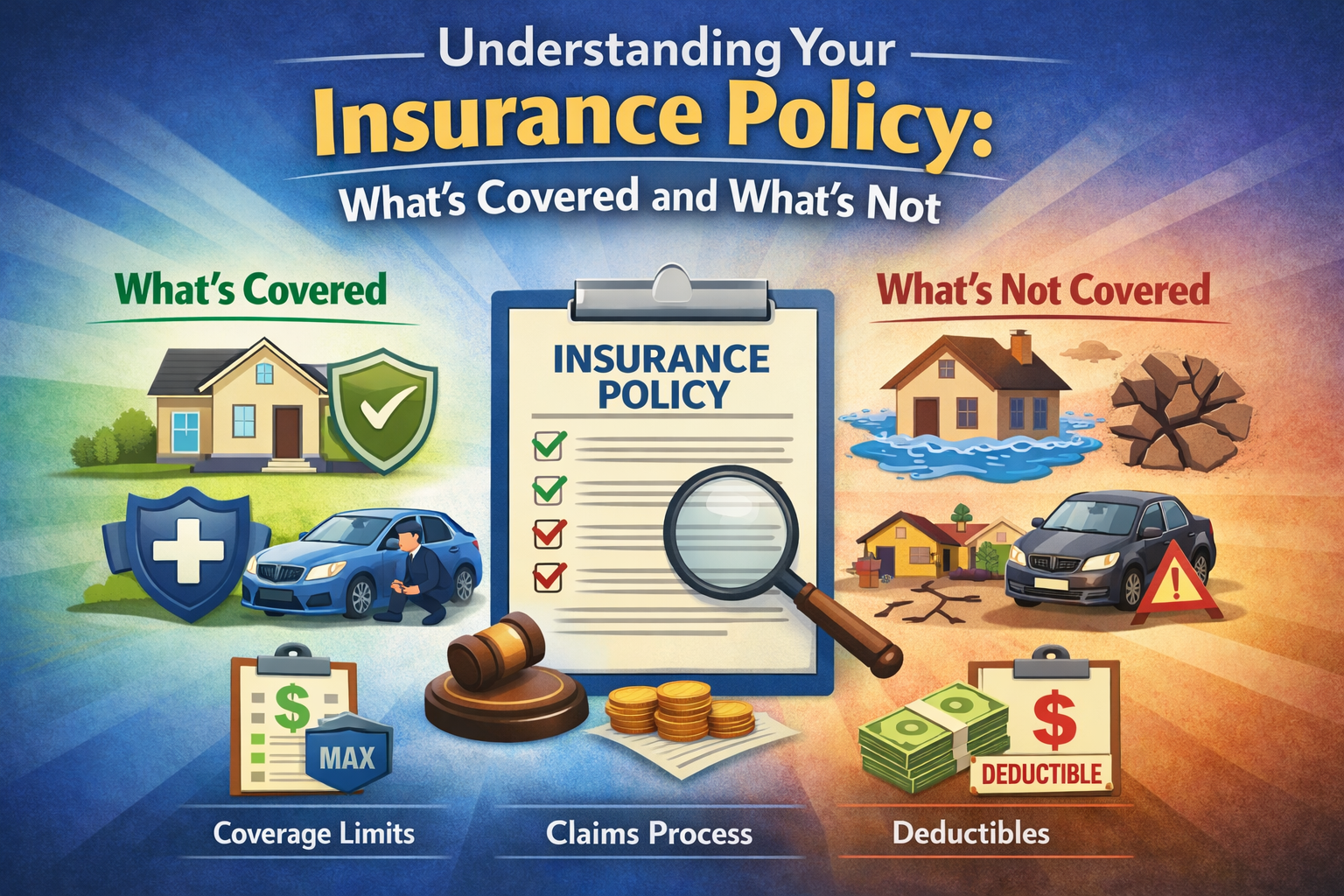
One of the most important things to understand about your insurance policy is the coverage limits and exclusions. Coverage limits refer to the maximum amount that the insurance company will pay out for a particular claim. Exclusions, on the other hand, are specific situations or types of damage that are not covered under the policy. It's important to carefully review these limits and exclusions to ensure that you have the coverage you need.
For example, many homeowners insurance policies have exclusions for certain types of natural disasters, such as floods or earthquakes. If you live in an area prone to these types of events, you may need to purchase additional coverage to protect yourself. Similarly, auto insurance policies often have exclusions for certain types of damage, such as wear and tear or mechanical failures. Understanding these exclusions can help you avoid any surprises when it comes time to file a claim.
Policy Renewal and Changes
Another important aspect of understanding your insurance policy is knowing when it renews and what changes can be made to it. Most insurance policies have an annual renewal date, at which point you have the opportunity to make changes to your coverage. It's important to review your policy before it renews to ensure that you still have the coverage you need. If your circumstances have changed, such as buying a new car or moving to a new home, you may need to adjust your coverage accordingly.
Additionally, it's important to understand what changes can be made to your policy throughout the year. Some changes, such as adding a new driver to your auto insurance policy, may be allowed at any time. Other changes, such as increasing your coverage limits, may require approval from the insurance company. By understanding the rules around policy changes, you can ensure that you have the coverage you need at all times.
Claims Process and Deductibles
Understanding the claims process is another important aspect of knowing your insurance policy. In the event that you need to file a claim, it's important to know what steps to take and what information is required. Most insurance companies have specific procedures for filing claims, such as contacting a claims adjuster or providing documentation of the damage. By familiarizing yourself with these procedures, you can ensure that your claim is processed quickly and efficiently.
In addition to understanding the claims process, it's also important to know how deductibles work. A deductible is the amount that you are responsible for paying out of pocket before the insurance company will cover the rest of the claim. For example, if you have a $500 deductible on your auto insurance policy and you are in an accident that causes $1,000 worth of damage, you would be responsible for paying $500 and the insurance company would cover the remaining $500. Understanding your deductible can help you plan for unexpected expenses and avoid any surprises when it comes time to file a claim.
Reviewing Your Policy Regularly
Finally, it's important to review your insurance policy regularly to ensure that you have the coverage you need. As your circumstances change, such as buying a new car or moving to a new home, your insurance needs may also change. By reviewing your policy annually or whenever a major life event occurs, you can make sure that you have the right coverage in place. Additionally, reviewing your policy regularly can help you identify any gaps in coverage or outdated information that may need to be updated.
In conclusion, understanding your insurance policy is crucial to ensuring that you have the coverage you need when you need it. By familiarizing yourself with your coverage limits, exclusions, renewal dates, claims process, and deductibles, you can avoid any surprises and be prepared for any unexpected events. Remember to review your policy regularly and make any necessary changes to ensure that you have the right coverage in place. If you have any questions about your policy, don't hesitate to contact your insurance agent for clarification.