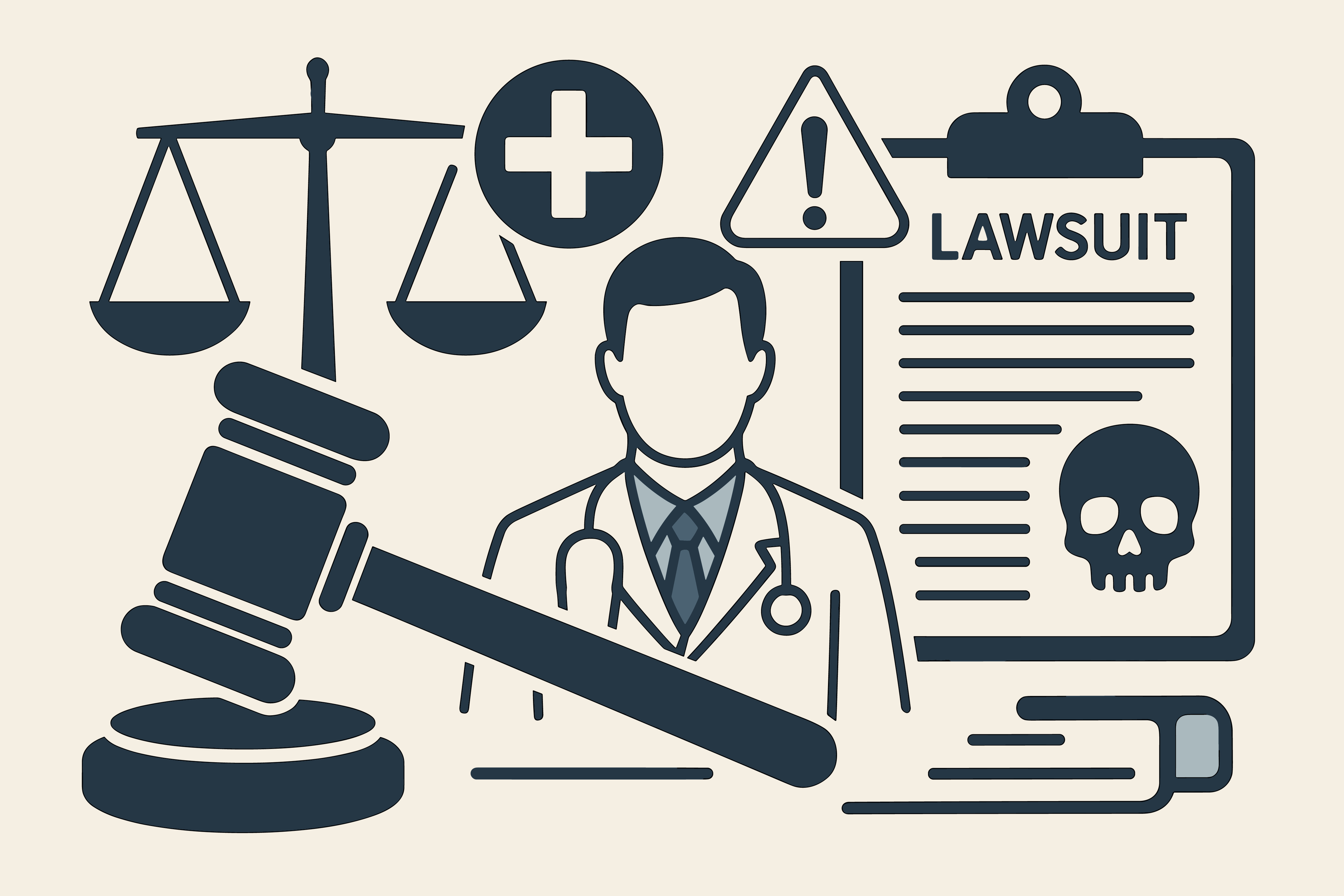
Understanding Medical Negligence
Medical negligence, often referred to as medical malpractice, occurs when a healthcare professional fails to provide the standard of care that is expected in their field, resulting in harm to a patient. This concept is rooted in the legal principle of duty of care, which mandates that medical professionals must adhere to a certain standard when treating patients. When this standard is not met, and the patient suffers as a result, it can constitute medical negligence. However, not every unfortunate medical outcome qualifies as negligence; rather, it must be established that the healthcare provider's actions were not just subpar, but that they directly caused harm or injury.
In the realm of medical negligence, the standard of care is generally defined by what a reasonably competent practitioner would do under similar circumstances. This means that the actions of the healthcare provider are compared to those of their peers in the same field. For instance, if a surgeon fails to sterilize their instruments, leading to an infection, this may be seen as a breach of the standard of care. However, if a patient experiences a rare complication that even the most skilled surgeon could not foresee or prevent, it may not qualify as negligence. Thus, determining whether medical negligence occurred often requires expert testimony and a thorough review of the circumstances surrounding the case.
Types of Medical Negligence
Medical negligence can manifest in various forms, each with its unique implications and legal considerations. One common type is misdiagnosis or delayed diagnosis, where a healthcare provider fails to identify a medical condition in a timely manner. This can lead to a worsening of the patient's condition, resulting in more severe health complications or even death. For example, if a doctor overlooks symptoms of cancer and fails to order necessary tests, the patient may miss crucial treatment opportunities, leading to dire consequences. In such cases, establishing negligence often hinges on whether a competent physician would have made the same diagnostic errors.
Another significant area is surgical errors, which can include performing the wrong procedure, operating on the wrong body part, or leaving surgical instruments inside a patient. These errors not only pose immediate physical risks but can also lead to long-term health issues. The law typically views surgical errors as a serious breach of duty, given the high standards expected in surgical practice. Patients who suffer from such errors may have strong grounds for a medical negligence claim, particularly if they can demonstrate that the surgeon did not adhere to established protocols or failed to obtain informed consent.
Medication errors also fall under the umbrella of medical negligence. These can occur at various stages, including prescribing the wrong medication, administering incorrect dosages, or failing to consider a patient's allergies. Such errors can have catastrophic consequences, especially if the medication is critical for managing a patient's health condition. To establish negligence in these cases, it must be shown that the healthcare provider did not follow appropriate guidelines or protocols that govern medication management, thus leading to patient harm.
Proving Medical Negligence
Proving medical negligence is often a complex process that requires a comprehensive understanding of both medical and legal principles. The burden of proof lies with the plaintiff, who must establish four key elements: the existence of a duty of care, a breach of that duty, causation, and damages. First, it must be demonstrated that a doctor-patient relationship existed, which establishes the duty of care. Next, evidence must show that the healthcare provider failed to meet the accepted standard of care, which can involve expert testimony from other medical professionals.
Causation is perhaps the most challenging aspect to prove. The plaintiff must demonstrate that the breach of duty directly caused the harm or injury suffered. This often requires a detailed analysis of medical records, expert opinions, and sometimes even a review of the entire treatment process. Finally, the plaintiff must show that they suffered actual damages as a result of the negligence, which can include physical pain, emotional distress, additional medical expenses, or loss of income. Each of these elements must be substantiated with clear and convincing evidence to succeed in a medical negligence claim.
The Role of Expert Testimony
Expert testimony plays a crucial role in medical negligence cases. Given the technical nature of medical practice, juries often rely on the insights of qualified medical experts to understand whether the standard of care was met. These experts can provide valuable context, explaining what a competent healthcare provider would have done in similar circumstances. They can also help clarify complex medical concepts and procedures, making it easier for juries to grasp the nuances of the case.
Selecting the right expert is vital for the success of a medical negligence claim. The expert must not only possess the requisite qualifications and experience but also be able to communicate their findings effectively to a lay audience. Their testimony can significantly influence the jury's perception of the case, particularly if they can convincingly articulate how the defendant's actions deviated from accepted medical practices. In some instances, the presence of a strong expert can be the deciding factor in whether a case is settled or goes to trial.
Conclusion
Medical negligence is a serious issue that can have devastating consequences for patients and their families. Understanding what constitutes medical negligence is essential for anyone considering a legal claim. It is important to recognize that not every negative medical outcome is a result of negligence; rather, it must be established that a healthcare provider failed to meet the expected standard of care and that this failure directly caused harm. If you believe you have been a victim of medical negligence, seeking legal advice from qualified professionals, such as those at AdviceOnLaw.com, can help you navigate the complexities of your case and work towards achieving justice. The journey may be challenging, but with the right support, it is possible to hold negligent parties accountable and secure the compensation you deserve.